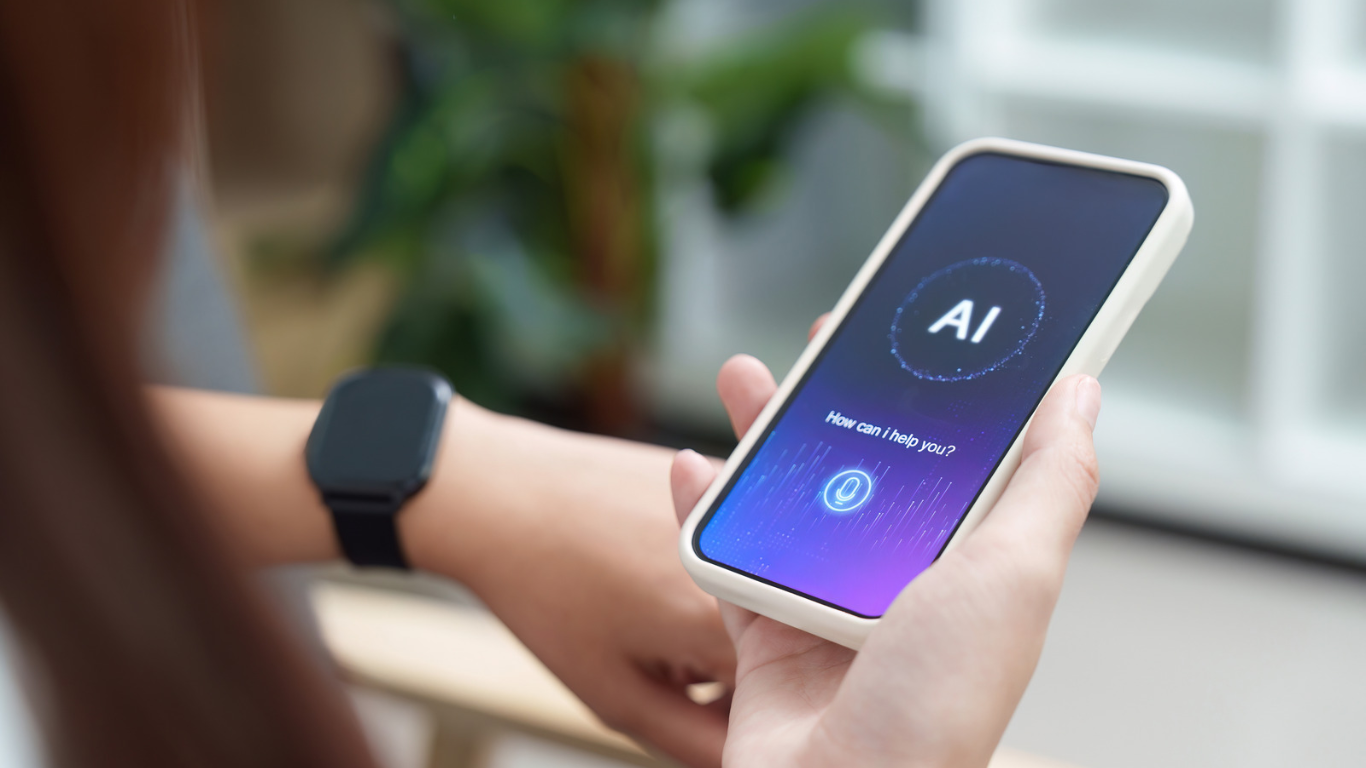
Yes, you can use AI to help draft a risk assessment. It can turn your notes into something easier to read and suggest questions worth asking. Before anyone relies on the assessment, though, a competent person needs to check it against the work people actually do.
It’s easy to see why business owners are trying it. You’ve walked the site, spoken to the team and made a page of notes. Now you need to turn those notes into something people can use, and you’ve still got a day job to get on with. Simply Business’s 2026 SME Insights Report found that 47% of the UK small businesses surveyed used AI tools, up from 22% in 2025.
Where AI can save you time
AI can organise notes from a site visit, put an existing assessment into plain English or give you a first draft to work through. It can also help you think of questions to ask the team. What happens when the equipment needs cleaning? Who else uses the space while the job is going on? Does the work change when you’re short-staffed?
A useful prompt is “Organise these notes into a draft risk assessment. Flag any
gaps as questions for me to check. Only list a control as already in place if my notes confirm it.” That gives you something practical to take back to the team.
Where a draft can go wrong
Imagine a warehouse risk assessment that says pedestrians and forklifts are kept apart. It sounds sensible. Then you speak to the team and find out that, during the morning delivery, the usual walkway is blocked by pallets and people cut across the loading area. The draft describes the layout you intended. The assessment needs to account for what happens when the delivery arrives.
AI works with the information you give it. A polished draft can make an assumption look like a fact, especially when it describes a control as though it’s already in place. Walking the site and talking to the people who do the job helps you pick up those details, including what’s changed since the last assessment.
Who’s responsible for the risk assessment?
In Great Britain, Regulation 3 of the Management of Health and Safety at Work Regulations 1999 requires employers to make a suitable and sufficient assessment of the risks to employees and others affected by their work. Regulation 7 generally requires employers to appoint one or more competent people to help them meet their health and safety duties. HSE describes a competent person as someone with the skills, knowledge and experience to recognise hazards and help put sensible controls in place.
AI can help with the wording. It can’t fulfil the competent person’s role, and responsibility for managing health and safety stays with the employer.
Five checks before you sign off an AI-drafted risk assessment
Use these questions to work through the draft with your competent person and the people who do the job.
- Does it match how the job is done? Walk through the task where it happens. Include what changes during busy periods and less routine work such as cleaning, maintenance or dealing with a breakdown.
- Have you identified who could be harmed and how? Think about contractors, visitors and members of the public as well as your own team. Ask the people doing the work where they see problems or have to work around them.
- Are the controls in place, and do they work? Check whether you can remove the hazard first. Where you need controls, verify what’s actually in place. Give each outstanding action an owner and a deadline.
- Has a competent person checked the details? Verify any claims about equipment, safe working procedures or legal requirements against reliable sources, such as manufacturer instructions or relevant HSE guidance. Resolve any assumptions that affect how the work can be done safely.
- Do people know what to do and when to review it? Share the relevant findings with the people affected and explain what they mean for the job. Review the assessment when equipment, staffing or working methods change, after an accident or near miss, or if you have reason to think a control is no longer working.
Want a second pair of eyes on your risk assessment?
If you’ve already got a draft and want to know whether it reflects what’s happening on site, get in touch to book a risk assessment review. We can help you identify gaps and work out what needs to change.
If you’d like to build the confidence to assess risks and review controls yourself, our IOSH Managing Safely course or NSA SafeManagers™ gives managers and supervisors practical experience in identifying hazards, assessing risks and choosing controls.