
Understanding the Key Differences
Choosing between NEBOSH and IOSH qualifications is one of the most common questions we hear from individuals and employers looking to invest in health and safety training. Both are highly respected, but they serve different purposes and career paths.
What Is NEBOSH?
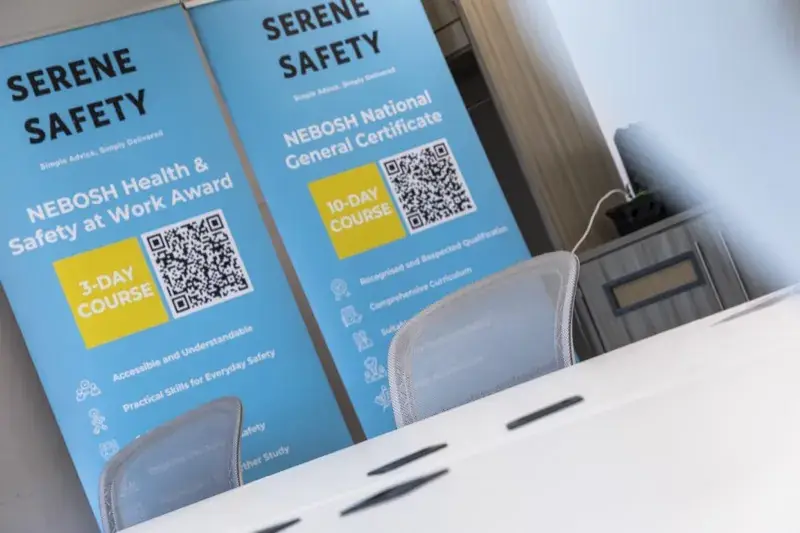
NEBOSH (National Examination Board in Occupational Safety and Health) offers rigorous, exam-based qualifications that are recognised worldwide. The flagship NEBOSH National General Certificate is often described as the gold standard in health and safety qualifications.
NEBOSH qualifications are ideal for people who want to pursue a career in health and safety, or for managers who need a deep, technical understanding of risk management, legislation, and workplace safety systems.
What Is IOSH?
IOSH (Institution of Occupational Safety and Health) offers competency-based training courses that focus on practical application. IOSH Managing Safely is the most popular choice for managers and supervisors who need to understand their safety responsibilities without becoming full-time safety professionals.
IOSH Working Safely provides foundation-level awareness for all employees, making it an excellent choice for organisation-wide training programmes.
Quick Comparison
- NEBOSH General Certificate: 10-day course, exam-assessed, ideal for H&S career professionals
- IOSH Managing Safely: 3-day course, project-assessed, ideal for managers and supervisors
- IOSH Working Safely: 1-day course, ideal for all employees
Which Should You Choose?
If you are looking to build a career in health and safety, or need a comprehensive qualification for a senior H&S role, NEBOSH is the right choice. If you are a manager who needs practical safety knowledge to fulfil your legal duties, IOSH Managing Safely is the perfect fit.
Many organisations invest in both — NEBOSH for their safety team and IOSH for their wider management and workforce.
Not sure which is right for your team? Get in touch and we will help you find the best training pathway for your organisation.