

Why Health and Safety Audits Matter
A health and safety audit is a structured review of your organisation's safety management system. It examines whether your policies, procedures, and working practices are effective, legally compliant, and actually being followed on the ground. Unlike a risk assessment, which focuses on specific hazards, an audit looks at the bigger picture: how well your entire safety framework is performing.
Many businesses only think about audits when something goes wrong. But by then, the damage is often done. Here are five clear signs that your organisation would benefit from a professional health and safety audit.
1. Near Misses and Minor Incidents Are Increasing
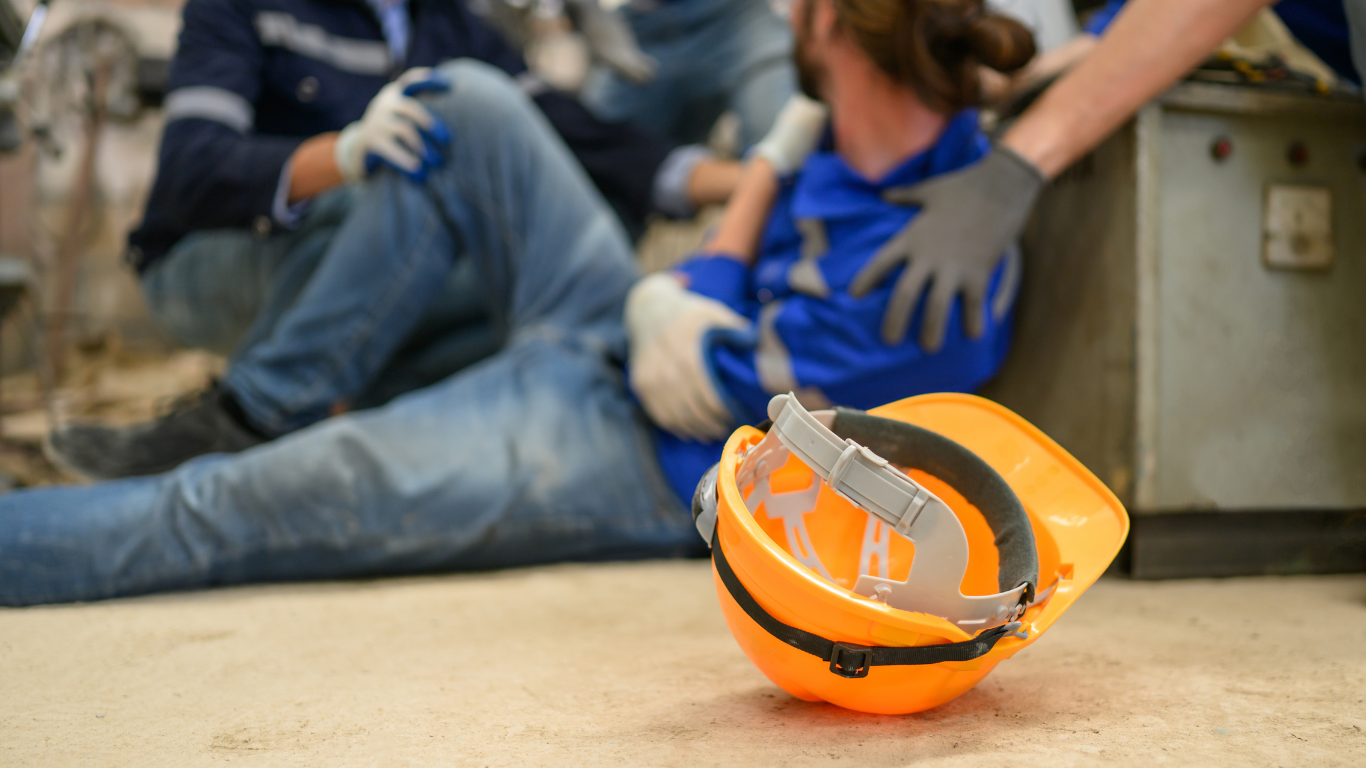
A rise in near misses, minor injuries, or first-aid incidents is one of the clearest warning signs that something in your safety management system is not working. While it is tempting to dismiss these events as insignificant, they are often precursors to more serious incidents.
The Heinrich Triangle model suggests that for every major injury, there are approximately 29 minor injuries and 300 near misses. If your near-miss reports are climbing, it indicates that underlying hazards are not being adequately controlled. An audit will identify where your controls are failing and what needs to change before a serious incident occurs.
Look out for patterns: are the same types of incidents recurring? Are they concentrated in a particular department or location? These trends point to systemic issues that an audit can uncover.
2. High Staff Turnover or Low Morale
This one might surprise you. Staff turnover is not always about pay or career progression. Employees who feel unsafe at work, or who believe their concerns are being ignored, will leave. Research from the CIPD consistently shows that workplace wellbeing, including physical safety, is a significant factor in employee retention.
If your exit interviews reveal concerns about working conditions, or if sickness absence rates are higher than your industry average, these could be symptoms of deeper safety culture issues. An audit assesses not just your paperwork, but how safety is perceived and practised across your organisation. It will highlight gaps between what your policies say and what actually happens on site.
3. Legislation or Industry Standards Have Changed
Health and safety legislation evolves continuously. New Approved Codes of Practice (ACOPs), updated HSE guidance, and revised industry standards can all affect your compliance obligations. If you have not reviewed your safety management system in the past 12 to 18 months, there is a real risk that your procedures have fallen behind current requirements.
Recent examples include updates to the Construction (Design and Management) Regulations guidance, revised workplace exposure limits for certain substances, and new expectations around mental health risk management. An audit benchmarks your current systems against the latest legal requirements and best practice standards, giving you a clear action plan for closing any gaps.
4. Your Business Has Grown or Changed
Business growth is positive, but it often introduces new risks that existing safety systems were not designed to handle. Common triggers include:
- Moving to new premises with different layouts, equipment, or environmental conditions
- Hiring significant numbers of new staff who may not have received adequate induction or training
- Introducing new processes, machinery, or materials that create hazards not covered by your current risk assessments
- Taking on new types of work, such as working at height, confined space entry, or handling hazardous substances for the first time
- Expanding into new sectors with different regulatory requirements
Each of these changes can create blind spots in your safety management. An audit ensures your systems scale with your business and that nothing falls through the cracks during periods of growth or transition.
5. Your Insurance Provider or Clients Are Asking Questions
Increasingly, insurers and major clients are scrutinising health and safety performance as part of their due diligence. If your insurance provider is asking for evidence of your safety management system, or if you are losing out on contracts because you cannot demonstrate robust H&S arrangements, an audit provides the documented proof you need.
Many organisations in the supply chain now require their contractors and suppliers to demonstrate compliance with standards such as ISO 45001, or to provide evidence of regular auditing. A professional audit gives you a structured report that you can share with confidence, demonstrating that your organisation takes safety seriously.
An audit can also help reduce your insurance premiums. Insurers recognise that organisations with strong safety management systems present a lower risk, and many offer preferential rates to businesses that can evidence regular auditing and continuous improvement.
What Happens During an H&S Audit?
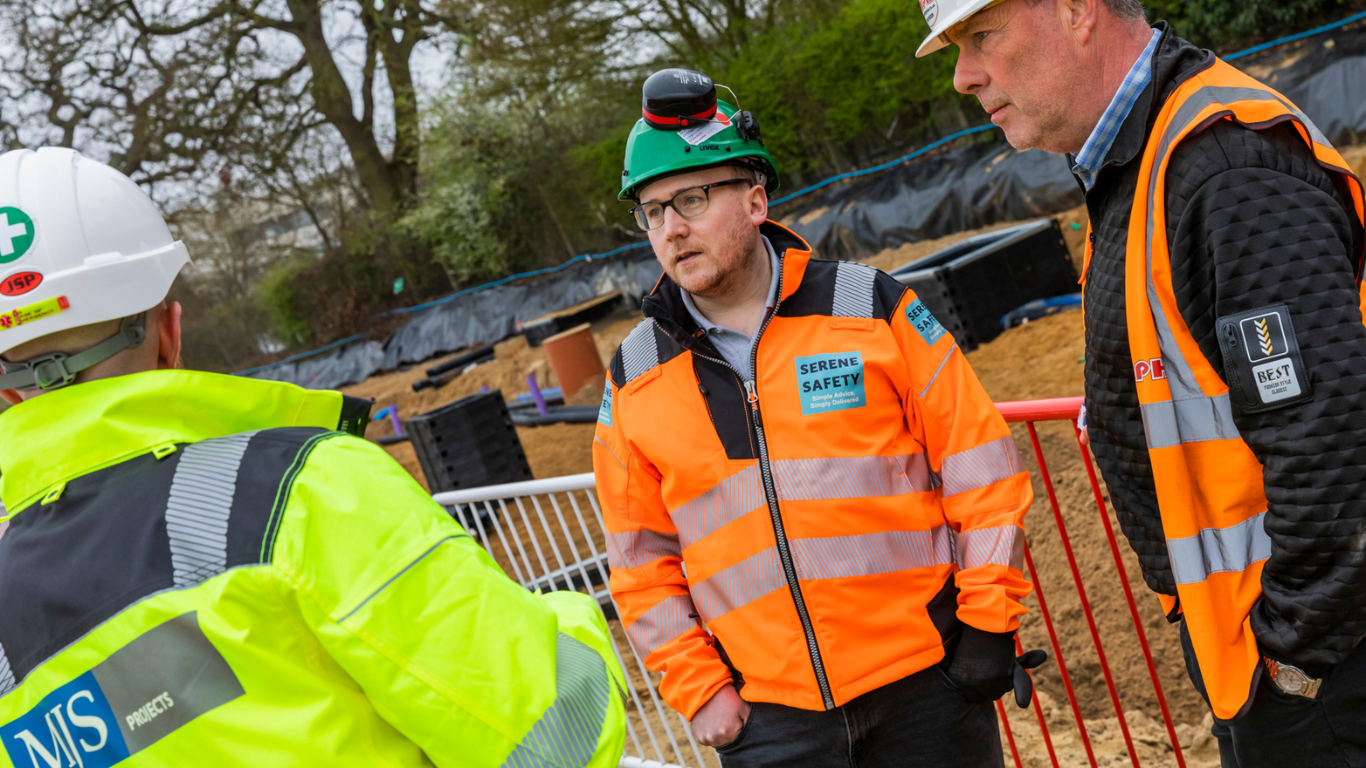
A typical health and safety audit involves a review of your documentation (policies, risk assessments, training records, incident reports), interviews with managers and staff at all levels, and a physical inspection of your workplace. The auditor will assess compliance, identify strengths and weaknesses, and provide a prioritised action plan with clear recommendations.
Take the Next Step
If any of these signs resonate with your organisation, it is time to act. At Serene Safety, we carry out independent health and safety audits for businesses across Norfolk and beyond. Our audits are practical, proportionate, and focused on giving you actionable results.
Learn more about our health and safety audit services or get in touch to arrange a no-obligation conversation about your needs.